
Arrest Warrants in Marion County
An arrest warrant is a written court order. It authorizes an arrest in Marion County under Indiana Code 35-33-2-1. An indictment can support a warrant with no separate probable-cause finding, while an information must travel the statute's probable-cause path. The judge or clerk signs the instrument as the law requires, and it is directed to the county sheriff. Keep one distinction in mind, though. A warrant is not an arrest record. Booking, custody location, the Initial Hearing, bond, service returns, and later docket events are separate records held in separate systems. That split tells a Marion County reader where to look and what each result can actually prove.
Indiana Arrest Warrant Requirements
Indiana Code 35-33-2-2 lists what every warrant must contain. The document names the person or gives a description. It states the offense. It gives the offense date and county and carries the required signature. It commands arrest without needless delay, states bail if any applies, and directs the process to the sheriff. Those fields describe a legal record schema, not permission to copy private values from an individual case. The Indiana Code Title 35 warrant provisions are collected on the official statute page.
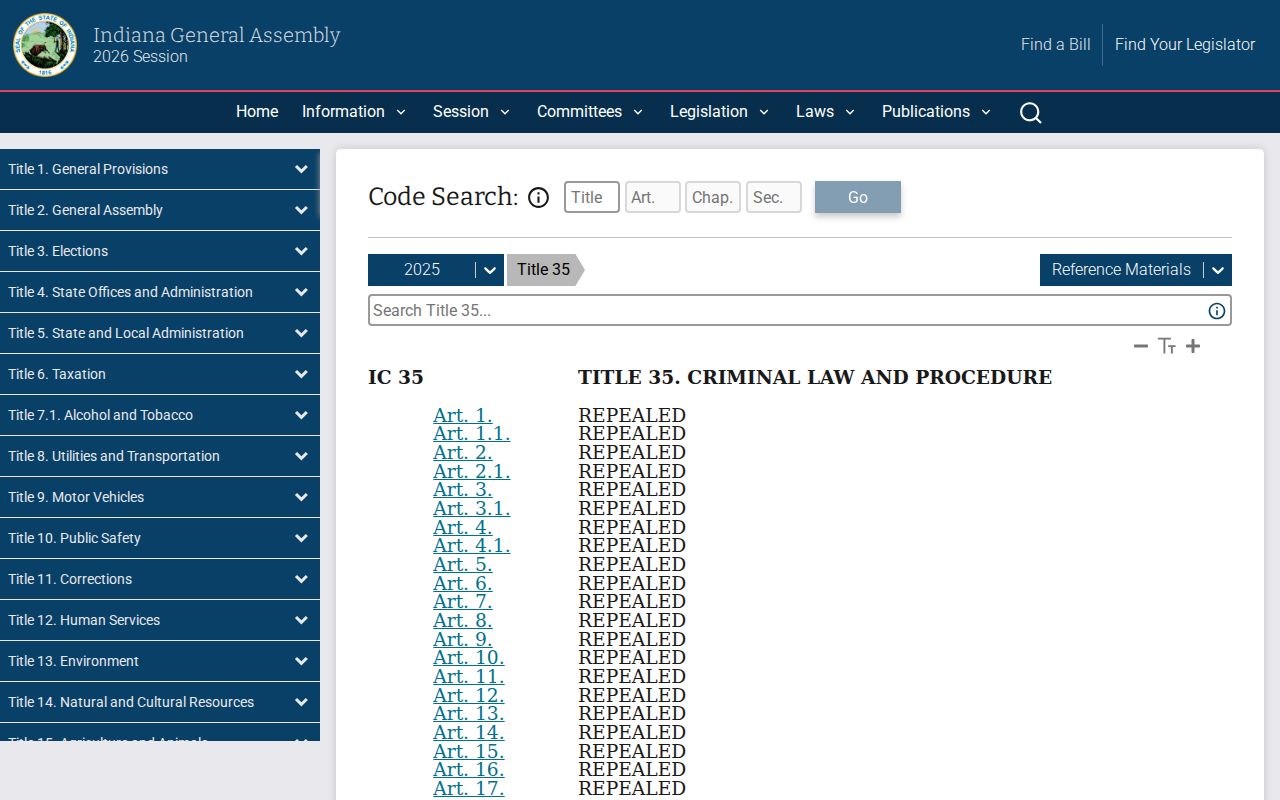
The statute covers what goes in the warrant itself. A Marion County docket, by contrast, tracks how the case moved after issuance.
What a Marion County Arrest Warrant Contains
A public case may show a warrant label or order. The label may appear without the full document. MyCase lists the court, case type, filing date, charge, docket events, hearings, case status, and public document links. In Marion County, the cause number plus the division and order date usually beats hunting for a warrant number, since no uniform public warrant-number format exists countywide.
| Person or description | The subject named or described as Indiana law permits. |
|---|---|
| Offense | The alleged offense and relevant county/date information, not a conviction. |
| Court authority | The judge or clerk signature required by the statute. |
| Command | Direction to arrest and bring the person before the court without unnecessary delay. |
| Bail | The amount or term, if applicable, subject to the current order. |
| Issuing division | The Marion court that can confirm or change the order. |
| Return and later events | Service, arrest, surrender, hearing, recall, or other later docket action. |
Public access to a Marion County warrant file can be limited or delayed. The official court copy always controls over a web display.
Marion Probable-Cause Records May Close
Indiana access rules generally make an arrest-warrant case public once probable cause has been established, but a judge can hold it back for a time. Reasons include flight risk, undue harm, and open investigations. Rule 5 ends that exclusion upon arrest. This timing matters. A blank online search proves nothing about whether a warrant exists. Sealed, expunged, juvenile, and confidential Marion County records may not surface either. Search the known cause number first. If no public case appears, the issuing court, the Marion County Clerk, or counsel is the right next channel.
Access limit: Public visibility and legal existence are different questions. A court may lawfully withhold a probable-cause warrant record for a limited period.
How Marion County Arrest Warrants Are Served
The warrant itself is directed to the sheriff. Marion County Sheriff operations serve warrants, guard the courts, transport people in custody, and keep service-related records. City police can execute authorized local process too. Lawrence, for example, assigns its officers service of process and execution of city search and arrest warrants under its municipal code. That authority does not make a city department the keeper of every Marion County court order. Records split along the same lines. The Marion County Clerk holds the court warrant record. The sheriff may hold service, booking, or restricted NCIC and IDACS information. The official inmate lookup shows custody by name, date of birth, or identifier, including some released inmates. It answers where someone is held. It does not prove which Marion County warrant existed before booking. The sheriff posts no public arrest-warrant search. Treat the general line as information, not a promised status service.
Warrant, Arrest, and Custody Records
One arrest can generate several records, and each answers a different question. The court order authorizes the arrest. A service return records what happened to the process. A booking record logs the arrest itself, custody lookup covers detention, and an Initial Hearing entry shows the Marion County court acting afterward. Mix them up and the result is a false status claim.
| Record | Primary source | Question answered |
|---|---|---|
| Arrest warrant | Issuing court and Clerk | What process the judge authorized |
| Service return | Court file or serving agency | What happened after issuance |
| Booking or custody | Sheriff custody system | Whether and where custody is recorded |
| Initial Hearing | Marion court docket | First-appearance and release action |
Check the source date, not just the source name. A later Marion County court event can change what an earlier record means.
Arrest Warrant vs Summons vs Bench Warrant
An arrest warrant starts in the statutory charging and probable-cause framework. A summons is the milder tool. Indiana Code 35-33-4 lets it direct appearance in certain misdemeanor matters without arrest authority. A bench warrant is different again. It usually follows a missed appearance or a failure to comply in an existing Marion County case, while a search warrant just authorizes a search, not the arrest of a named person.
| Process | Main function | Public-record clue |
|---|---|---|
| Arrest warrant | Authorizes custody under the criminal warrant statutes | Warrant order, probable-cause record, return |
| Summons | Commands a person to appear | Summons and response history |
| Bench warrant | Enforces a duty in an existing case | FTA or compliance event and judge’s order |
| Search warrant | Authorizes a law-enforcement search | Application, affidavit, order, or return when public |
Search-warrant materials can stay confidential or redacted while an investigation runs in Marion County. They are not a window on investigative targets.
Marion County Initial Hearing Process
Marion County funnels many outright arrests through its Initial Hearing Court. That office works around the clock on a 24-hour intake docket. Its duties include criminal case initiation, bail bonds, search-warrant intake, probation violations, and related filings. It is not a warrant search counter. The Marion County bail schedule controls the pace for outright arrests. A major felony outright arrest cannot be bonded right away. Probable-cause review and bond setting must come first, and Initial Hearing generally occurs within 48 hours unless exigent circumstances apply. Listed domestic-violence, violent, and burglary offenses carry a floor of at least 24 hours without release. Current documents govern, and one case can move differently. The current Indiana Criminal Rules set the procedures that official rules page displays.
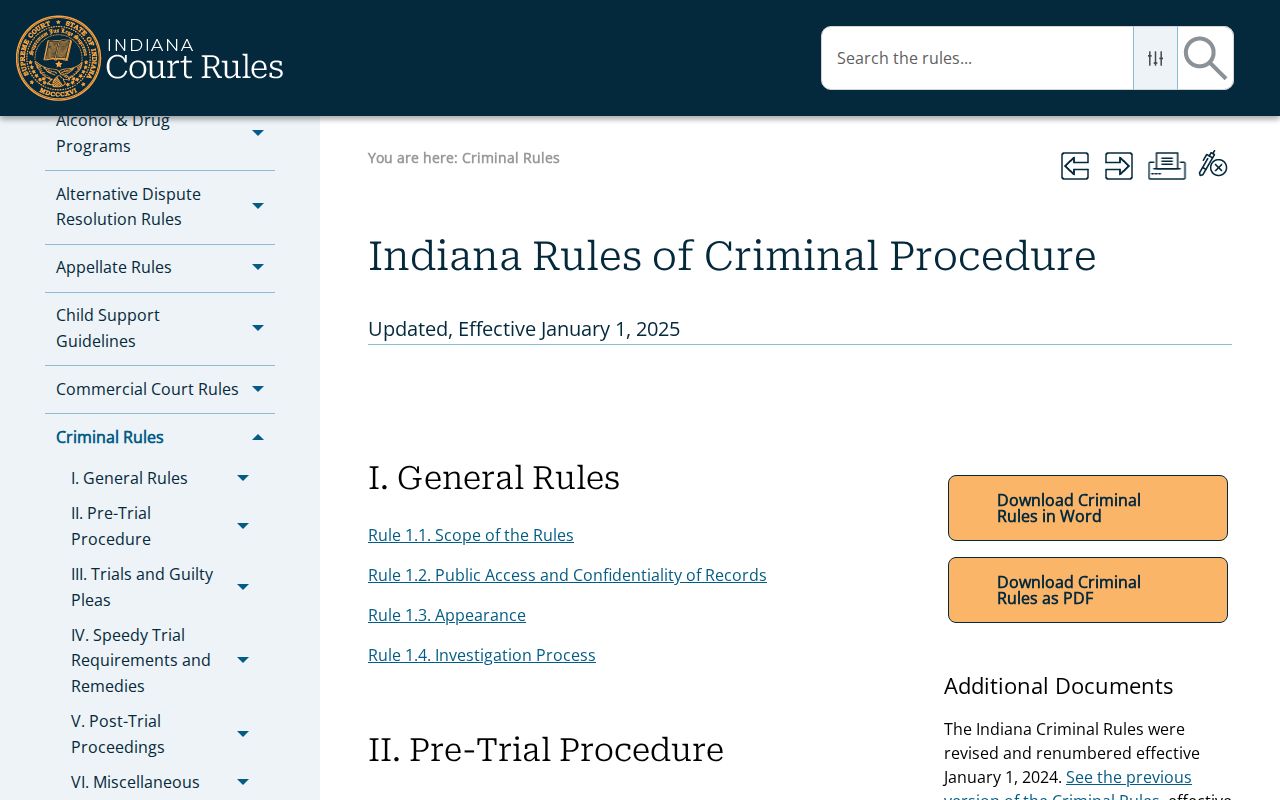
Check the live order and schedule. Marion County can route a pre-set warrant bond and an outright arrest through different release paths.
When a Marion Warrant Is Missing
A missing online entry is not the end of a Marion County warrant search. Try the lookup again. Use the exact cause number and court. A name search narrows by first and middle name, birth date, Marion court, status, and filing period. Still nothing? Then turn to the Marion County Clerk request portal or reach the issuing division through the official court listings. Give the court, the cause number if known, the record type, and the date range. The portal handles records generated in Marion County. It may require identification for juvenile or confidential records, so ask there for current copy fees and criminal-form fields. NCIC and IDACS results stay restricted. No silent MyCase search or empty custody result proves a warrant does not exist.
What to Do If There's a Warrant for You
Start by writing down the cause number, the issuing division, the order date, and the newest docket event. Those details drive everything in Marion County. Payment alone does not clear an arrest warrant, and an unrelated office cannot fix one. Instead, call an attorney or the issuing court about a planned appearance, a surrender, bond, a recall, or whatever step the court requires. The right path turns on the charge, the warrant's terms, and whether the person is already in custody.
- Locate the eligible public case in MyCase and read all later entries.
- Confirm current status with the Marion County Clerk or issuing court.
- Ask counsel how the current bail schedule and warrant order apply.
- If custody may already have begun, use official inmate lookup for location.
- Follow a verified court or surrender instruction exactly.
Do not delay or improvise. A courthouse visit, sheriff call, payment, or Safe Surrender inquiry does not itself recall a Marion County arrest warrant.
Safe Surrender has been reported at 317-327-SAFE for eligible non-felony matters, though Marion County publishes no official page for it. Confirm eligibility first. The Marion County warrant records overview maps the broader local resolution options.