
How to Check for a Warrant in Indianapolis
Indianapolis publishes no IMPD warrant roster for the public. The better starting point is Indiana MyCase, a free portal that searches eligible public cases rather than a live warrant list. A cause number narrows a search to one case. A name search begins with the last name, and you can add a first or middle name, a birth date, a court, a case status, or a filing range. Indiana Courts cautions that what appears online is not the official record, so treat every result as a lead and confirm it with the court.
- Search MyCase by cause number, citation number, or a narrowly matched name.
- Read the latest warrant, failure-to-appear, recall, surrender, or bond entry.
- Record the court division, case number, and entry date.
- Confirm current status with the Marion Clerk or issuing court.
- Ask counsel about appearance, recall, bond, or surrender.
Custody lookup helps only if the person may already be in jail. Booking does not show whether an Indianapolis warrant was active beforehand. IMPD incident data will not answer a court-warrant question either.
Indianapolis Warrant Searches Use MyCase
The official search tips cover the quirks of Indianapolis case lookups. Cause numbers can be typed without hyphens or leading zeroes, while citation formats vary. A name search can return up to 1,000 results, so add a birth date, a court, or a filing range to avoid matching the wrong person. The sounds-like option catches spelling variants, and a trailing asterisk works as a starts-with search. MyCase labels each case open or closed, but that field is not live warrant status. An old Indianapolis issuance may have been followed by a recall, a surrender, an arrest, or another order, so read the docket by date. When a document is unavailable online, use the Clerk request channel or call the division listed on the case. A blank result can simply reflect spelling, case age, confidentiality, expungement, or a temporary access limit, not the absence of a warrant.
Key limit: A MyCase result is a route to the official record, not final proof that an Indianapolis warrant remains active.
The Indianapolis Police Department and Municipal Court
IMPD investigates incidents across the city and may execute lawful process, but the courts and the Clerk keep court records. Indianapolis cases run through Marion Circuit Court, Marion Superior Court, and Marion County Municipal Court. The Marion Clerk serves all of them, including criminal, traffic, and ordinance filings. A judge creates the warrant record; police or the Sheriff may carry out service.
Indianapolis Metropolitan Police Department
Use official city records channels for eligible police records. IMPD public data covers incidents, citations, and crashes, not warrants.
Marion Courts and Clerk
675 Justice Way
Indianapolis, IN 46203
Clerk: 317-327-4740
Superior Court: 317-327-4747
The court listings divide the work by type, covering criminal, family, traffic, ordinance, and Initial Hearing matters. For an Indianapolis entry's current meaning, ask the division shown on the docket.
Indianapolis GIS Is Not Warrant Data
The official IMPD public data service carries incident, citation, and crash layers. None of that is a warrant search. A police incident number can identify an event in Indianapolis, but it is not an Indiana cause number, a judicial order, or a warrant return. It says nothing about current status.
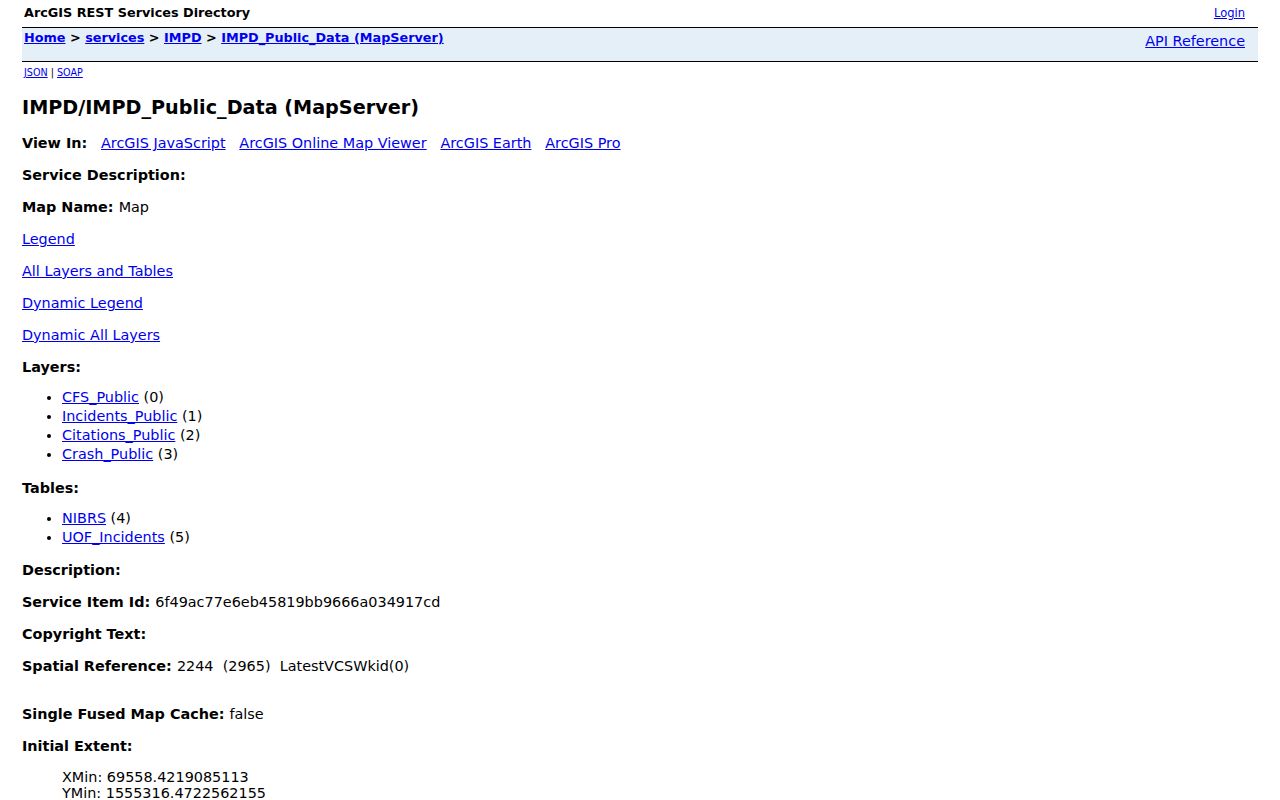
That service page states its own records boundary. Police event data and court warrant records sit with different offices and answer different questions. For Indianapolis, use the city source for an incident and the court file for a warrant.
| City record | Court record | Identifier |
|---|---|---|
| Incident or crash | Case docket | Cause number |
| Citation | Traffic case | Citation and court |
| Police report | Warrant order | Case and entry date |
Types of Indianapolis Warrants
The word warrant covers records that behave very differently. An arrest warrant follows judicial action under Indiana criminal law. A bench warrant usually follows a missed court duty. A traffic failure-to-appear warrant can follow one missed traffic date in Indianapolis. A search warrant authorizes a search, not the arrest of the person named in a caption. Civil attachments and tax warrants stay civil processes.
| Type | How it arises | Source |
|---|---|---|
| Arrest warrant | Charging and probable-cause process | Indiana court |
| Bench warrant | Missed setting or order | Assigned judge |
| Traffic FTA warrant | Failure to appear or answer | Traffic court |
| Search warrant | Authorized search request | Judge or magistrate |
| Civil attachment | Civil enforcement | Civil court |
A summons is not a warrant. A parking ticket is not an arrest warrant. Those distinctions decide which Indianapolis record and which response apply.
Indianapolis Parking and Traffic Warrants Differ
An Indianapolis parking ticket starts in an administrative city process, not a courtroom. The official parking form asks for the citation date and number, plate information, reasons, and documents, and it limits review to citations from the last 30 days. That form is not a criminal warrant search and cannot lift a court warrant. A court traffic case takes a different route. Indiana Code permits a warrant after a failure to appear or answer in a qualifying traffic proceeding, with possible BMV notice to follow. If a citation became a court case, search the citation or cause number in MyCase and call the traffic division. Paying the administrative parking charge does not resolve a separate bench or arrest warrant in Indianapolis. Note: Keep the citation, court notice, and case number together, since each may point to a different Indianapolis records channel.
What an Indianapolis Warrant Record Shows
An Indianapolis warrant is usually traced through linked court entries rather than one uniform public form. Work from the cause number, the issuing division, and the docket date. A public record may show issuance, failure to appear, a return, a surrender, a recall, a quash, bond review, or a later setting. Not every document reaches the web, so the Clerk may hold what the portal lacks.
| Cause number | A case identifier, illustrated only by 49D00-0000-XX-000000. |
|---|---|
| Court and division | The office that entered the order. |
| Legal basis | The charge or missed setting, not a conviction. |
| Issue date | The date of the warrant entry. |
| Return or service | A later execution or outcome entry. |
| Bond | The case-specific order, when public. |
| Recall or quash | A later act withdrawing or setting aside process. |
Read all later entries. The current court order and Clerk confirmation control.
Indianapolis Warrant Courts at Justice Way
The official Marion Courts homepage points to the Community Justice Campus as the main court destination for Indianapolis. It opened in April 2022 with 71 courtrooms. Trial calendars, daily slates, court listings, bail material, and contacts are linked there.

Skip the old courthouse directions. 675 Justice Way handles current Circuit and Superior proceedings in Indianapolis unless a posted notice says otherwise, so confirm the division before you go. The Clerk also operates from the City-County Building. That split means a hearing room and a records counter can sit blocks apart in Indianapolis. For scale, the official Census incorporated-place table lists 887,642 residents for the Indianapolis city balance in 2020. Size says nothing about warrant volume or risk.
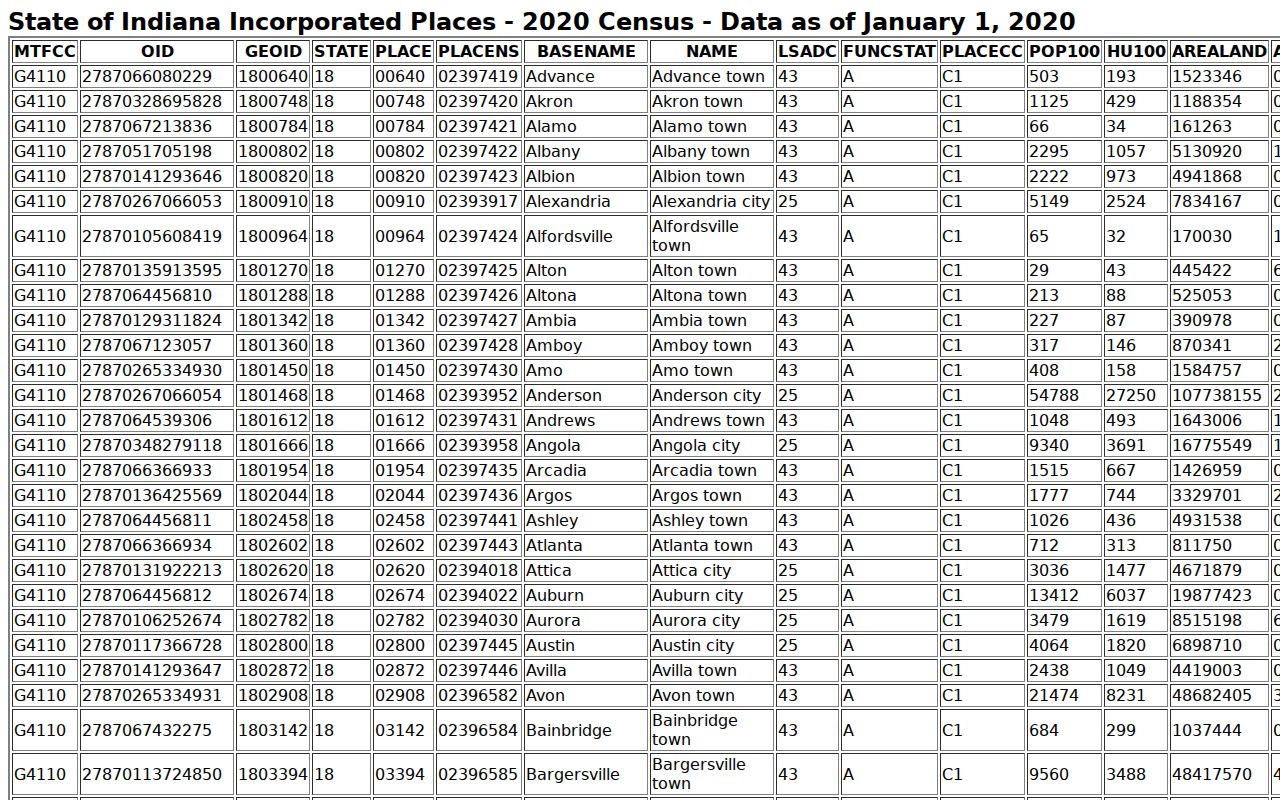
Population only explains why Indianapolis leads the list here. Every Indianapolis warrant question still turns on the issuing court and its current docket. Initial Hearing takes criminal intake, bail bonds, and related filings around the clock. That schedule is not a public warrant counter. Confirm access before you travel.
Where Indianapolis Warrants Fit With Marion County
Indianapolis anchors Marion County as its consolidated core. City police in Indianapolis investigate and serve process, but Marion courts issue the orders. The Clerk keeps court records, while the Sheriff serves county process and runs custody. Indiana posts no single statewide criminal-warrant list. MyCase is a case layer, not a live roster, so start with the Marion County warrant records overview for the wider route.
Warrant flow: Indianapolis police or city matter › Marion court order › Clerk docket › Sheriff or police service › court return or later order
Start with the case and division. Everything else in Indianapolis, from police records to MyCase entries, answers only part of the question, and the issuing court settles what its current order requires.
No Indianapolis Public Warrant Roster
IMPD posts no public active-warrant roster, and neither does the Marion County Sheriff. That says nothing about whether Indianapolis warrants exist. NCIC and IDACS checks stay restricted, and the Sheriff does not hold every original court order. A blank name result in Indianapolis is not a negative finding. If MyCase turns up nothing, recheck your identifiers, then call the Clerk or the issuing court. Use the custody lookup only to check for detention. Safe Surrender may resolve some non-felony Indianapolis matters, once you verify current eligibility. An old social post or a commercial people-search page is never the answer on warrants.
Quick answer: Online silence is not official proof that an Indianapolis warrant does not exist.
Public Access to Indianapolis Warrant Records
Indiana law and court rules govern Indianapolis records. Public access never means every warrant field is online. Juvenile, expunged, sealed, protected, and investigatory material can be restricted. A probable-cause warrant record may sit out of view temporarily when disclosure could raise flight risk, cause harm, or jeopardize an investigation.
Key rules:
Indiana Access to Public Records Act, IC 5-14-3-3 permits access to public records under agency rules and exceptions.
Court Records Rule 5 governs confidentiality, redaction, and warrant exclusions.
Indiana Code 35-33-2-2 describes arrest-warrant contents.
Name an existing record in your request. Give a cause number, division, and date range, because APRA does not require Indianapolis to build a new active-warrant list.
Resolve Indianapolis Warrants Carefully
No single step clears an Indianapolis warrant. What it takes depends on the Indianapolis court, the case type, the reason, any bond order, and other holds. A missed setting may call for a new date, a motion to recall or quash, counsel, surrender, or Initial Hearing. A payment link alone never promises the criminal process ended.
- Recall
- A court withdraws a warrant.
- Quash
- A court sets aside process.
- Surrender
- A voluntary appearance leading to court action.
- Hold
- A custody restriction from an authority.
Confirm the docket, then ask the issuing division what it requires. In Indianapolis, let counsel weigh the risk before any appearance, and never test warrant status through a traffic stop or unplanned police contact.